

Lifestyle
Intentionally align your life with the daily and seasonal rhythms of nature.

When your body feels sluggish, your mind scattered, or your digestion heavy, it’s often a sign that toxins — what Ayurveda calls ama — have built up. A daily routine for detoxification doesn’t mean fasting or extreme cleanses. Instead, Ayurveda emphasizes…

Ayurveda teaches us that true wellness comes from living in harmony with nature’s cycles — especially the changing seasons. Each season brings shifts in the doshas (vata, pitta, kapha) that can affect our bodies and minds differently.

Ayurveda teaches us that living in tune with nature’s rhythms supports vibrant health and balance. One powerful way to do this is by adjusting your dinacharya—your daily routine—according to the season. Each season brings unique qualities that affect our bodies and minds, and shifting your habits helps keep your doshas balanced year-round.

Discover how embracing your Kapha dosha—the earth and water constitution in Ayurveda—can transform self-judgment into self-compassion. Learn to appreciate the grounded, loyal, and patient qualities within you, and find balance through Ayurvedic wisdom and practical lifestyle tips.
Nutrition
Optimize the way you nourish your body to enhance digestion, absorption and assimilation.

Winter brings cold, damp, and heavy qualities that can challenge our immune systems and overall vitality. In Ayurveda, this season calls for nourishing, warming, and strengthening foods to protect the body and support resilience against the elements.

Fall ushers in crisp air, drying winds, and cooler temperatures — all qualities that can stir up vata dosha in the body and mind. Vata governs movement, creativity, and change, but when out of balance, it can cause dryness, anxiety, digestive irregularities, and restlessness.

Spring is the season of renewal, growth, and transformation. In Ayurveda, spring is closely associated with the kapha dosha, which carries qualities of heaviness, coldness, moisture, and stability. As kapha naturally accumulates during this time, many people may feel sluggish, congested, or weighed down.

Turmeric gets a lot of buzz these days, but did you know it’s been used in ancient remedies for thousands of years? Long before turmeric was bottled and sold in capsules, it was a main feature of Ayurvedic herbalism and cuisine. Ayurveda is the ancient holistic healing science of India. It offers tons of herbal, culinary, and lifestyle wisdom that is now shaping the wellness industry.
Recipes
Learn how to cook Ayurvedically at home.
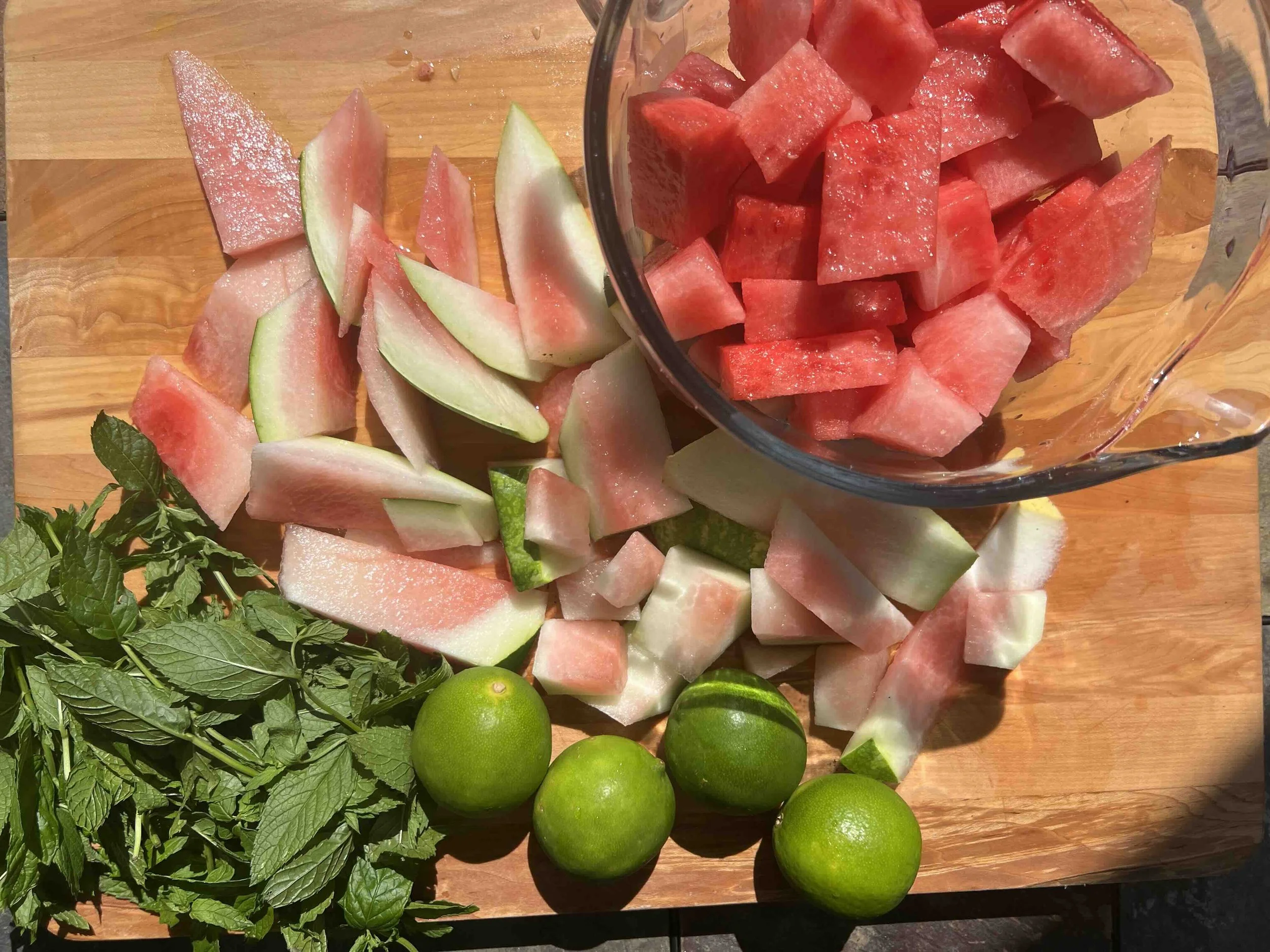
Summer in Ayurveda is ruled by the pitta dosha, characterized by heat, intensity, and sharpness. During this season, it’s essential to balance pitta’s fiery nature by favoring foods and recipes that cool, soothe, and hydrate the body and mind.

Boost vitality and immunity with this ojas-building spiced milk recipe. A creamy Ayurvedic tonic with warming spices to nourish, ground, and restore energy.

Nourish your body and support recovery with this healing postpartum kitchari — a gentle, one-pot Ayurvedic meal made with mung dal, rice, warming spices, and seasonal vegetables. Kitchari is deeply grounding and easy to digest, making it ideal for the tender postpartum window when your body needs warmth, rest, and nutrient-dense food to rebuild strength.

This is a classic kitchari with a few twists that make it perfect for springtime cleansing. Spring is kapha season, which means you may be experience the effects of excess cool and damp qualities in the body. One of the best ways to support our bodies through a seasonal transition is to adjust what we eat.

